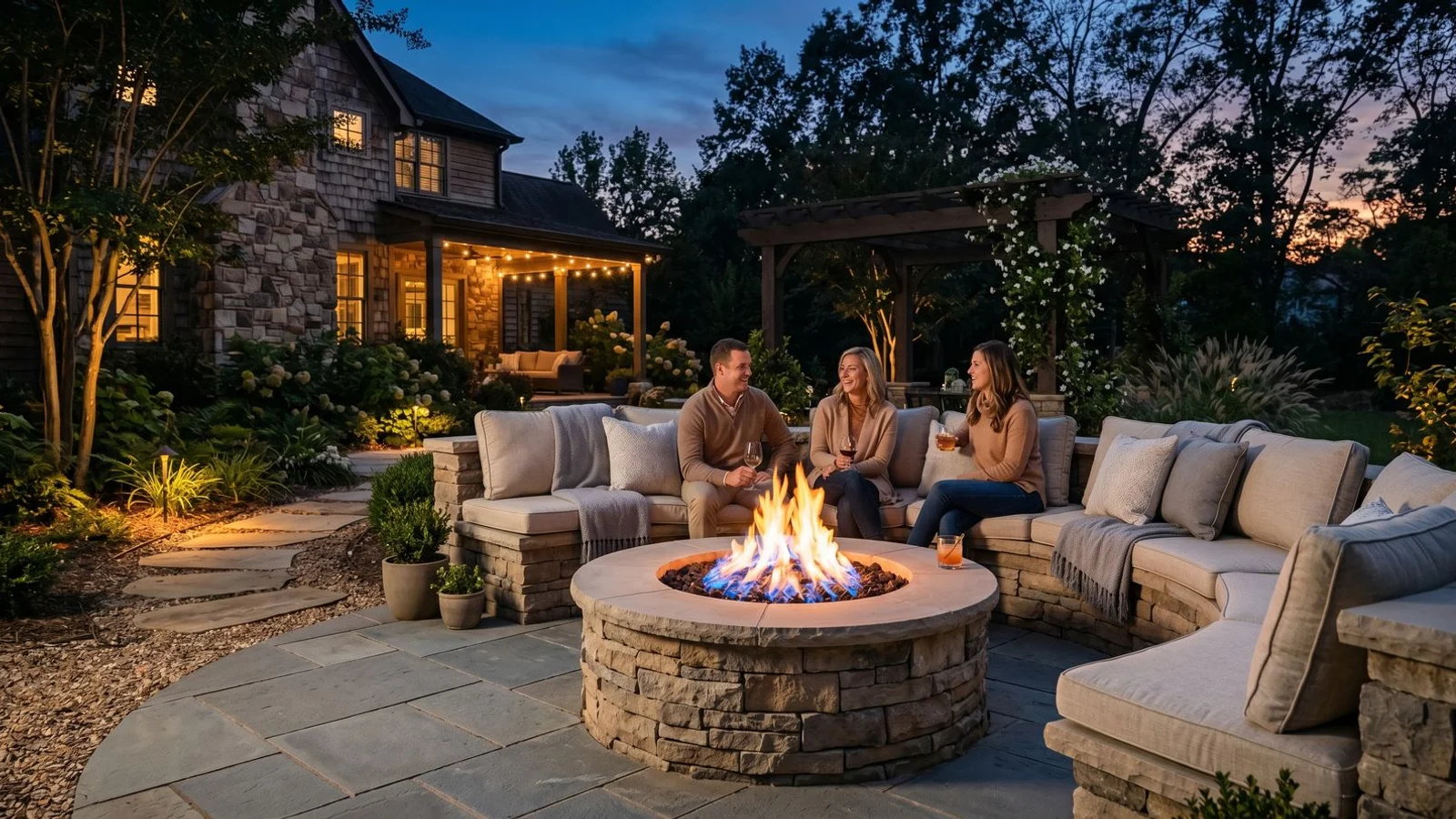
Built-In Fire Pit Specialists
Built-in fire pits with seat-wall integration and HOA-aware design.
Free, no-obligation quotes from up to 3 vetted contractors
Common Fire Pits challenges in the Carolinas
Open-burning ordinances vary by neighborhood
What's allowed in rural Catawba County can be banned outright in a Cary HOA. Contractors who don't check your specific HOA covenants before design risk a forced removal after the build.
Gas lines require a licensed sub and a permit
A gas-fed fire pit needs a licensed gas-line contractor and a county permit — work that most budget bids leave out of the initial quote. The add-on shows up after the pit is already built.
Placement without wind analysis creates a smoky patio
Fire pits placed without regard to prevailing wind push smoke straight toward the seating area on most Carolina evenings. Good placement evaluation takes five minutes at the site visit — but most contractors skip it.
A Fire Pit Anchors Your Patio for Less Than You Think
Have you ever noticed how everyone naturally gravitates toward the warm glow of a flame after the sun goes down? It instantly turns a basic backyard into the ultimate gathering space. We see this transformation happen all the time.
Adding a built-in feature to your property is surprisingly affordable, and it actually boosts your equity.
“Recent 2026 real estate reports indicate that mid-tier fire pit installations deliver a 135% to 191% return on investment, making them one of the smartest outdoor upgrades you can choose.”
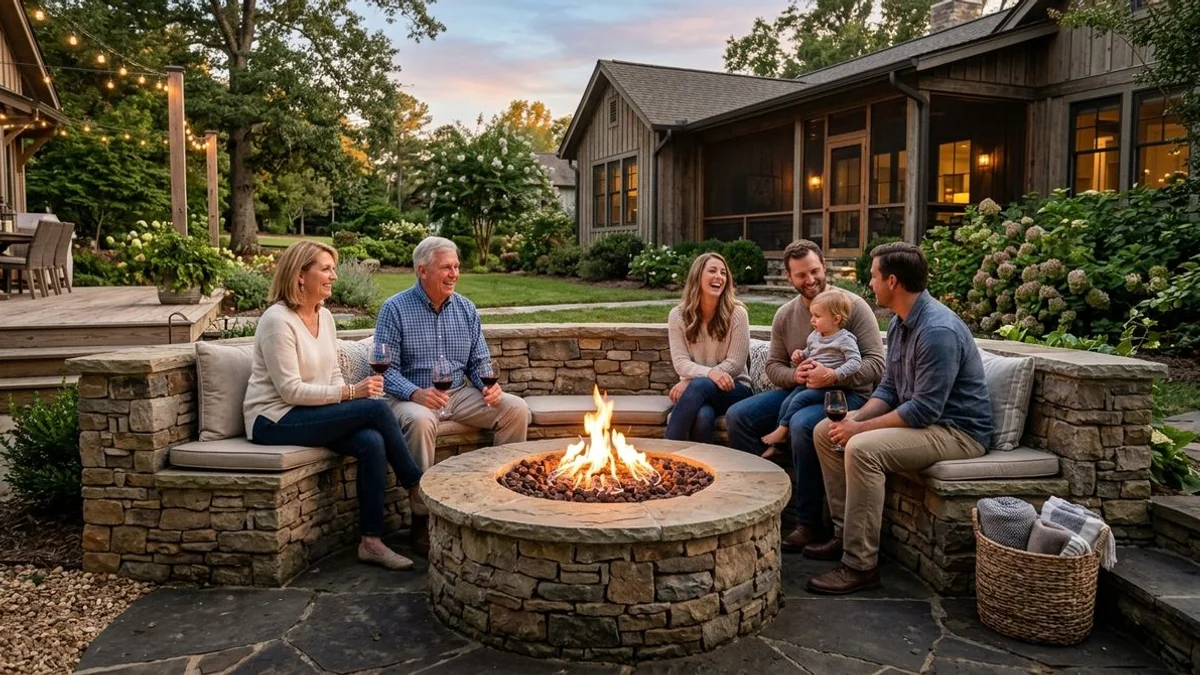
That means you are increasing your property value while enjoying weekend gatherings. We guide homeowners and business owners through the core decisions of fuel type and construction style.
You will want to think about whether a modular kit or custom masonry fits your vision. Our vetted Carolinas fire pit contractors expertly handle gas-line permitting and HOA approvals.
They make sure the masonry perfectly matches your seat walls and surrounding patio work. Doing it all in one trip saves you serious time and money.
To give you a better idea of what to expect, here is a quick breakdown of average built-in costs across the US this year:
| Material Type | Estimated 2026 Investment | Ideal Application |
|---|---|---|
| Basic Concrete Block | $830 - $2,000 | Budget-friendly residential patio upgrades. |
| Natural Stone Masonry | $2,200 - $6,550 | Mid-tier luxury builds maximizing home value. |
| Corten Steel Custom | $3,000+ | Modern commercial spaces needing 30-year durability. |
Gas vs Wood-Burning
Choosing between a natural gas line and traditional logs is the biggest decision you will make. Gas setups take the trophy for pure convenience and strict HOA compliance, especially since many Charlotte and Raleigh suburbs outright prohibit open wood fires. The Charlotte Fire Department legally requires any recreational wood fire to sit at least 25 feet away from a structure.
That spatial rule instantly eliminates wood options for smaller urban patios, while gas models safely bypass these restrictive setback limits. To help you visualize the differences, here is a quick side-by-side comparison:
| Feature | Natural Gas | Traditional Wood |
|---|---|---|
| Operating Cost | $0.44 to $1.31 per hour | Varies (requires buying and storing dry wood) |
| Maximum Heat | 30,000 to 50,000 BTUs | Exceeds 80,000 BTUs |
| HOA Compliance | Widely accepted | Often restricted or banned in city limits |
| Maintenance | Zero ash, easy wipe down | Requires regular ash removal |
We always advise clients to weigh raw heat against daily convenience. You skip the hassle of buying, storing, and keeping firewood dry with a piped connection, but gas units simply cannot match the intense warmth of a real campfire.
Our team knows that a roaring wood fire pushes out serious heat for chilly coastal or rural Carolina nights. If your property has plenty of space, traditional logs create an unbeatable rustic atmosphere.
Here are a few insider tips to ensure your installation goes smoothly:
- Verify Local Codes First: Always check your specific neighborhood rules, as many HOAs allow propane but ban open flames completely.
- Mind the Size Limits: If you choose wood, keep in mind that local regulations often cap the fuel area at 3 feet wide and 2 feet high.
- Upgrade to Stainless Steel: For gas setups, buying a commercial-grade stainless steel burner prevents rust and extends the lifespan by decades.
- Plan for Airflow: Wood fires need proper ventilation, so avoid placing them in sunken seating areas without proper drafting.
We encourage you to explore all the details before making a purchase. You can see our fuel comparison guide for the full breakdown.
What Every Carolina Fire Pits Project Includes
- Built-in masonry and modular kit options
- Gas and wood-burning fuel
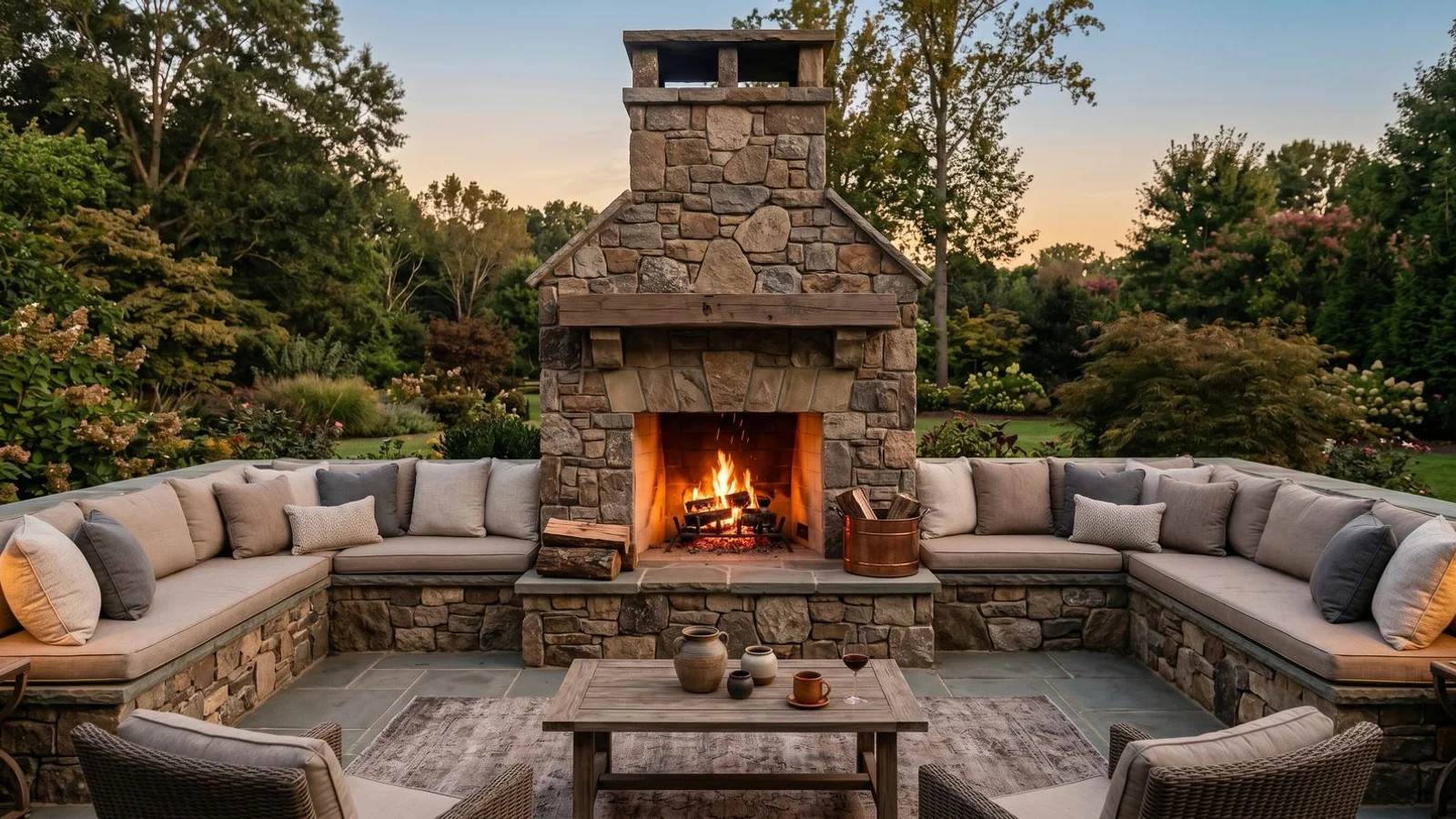
- Seat-wall and patio integration
- HOA and open-burning code compliance
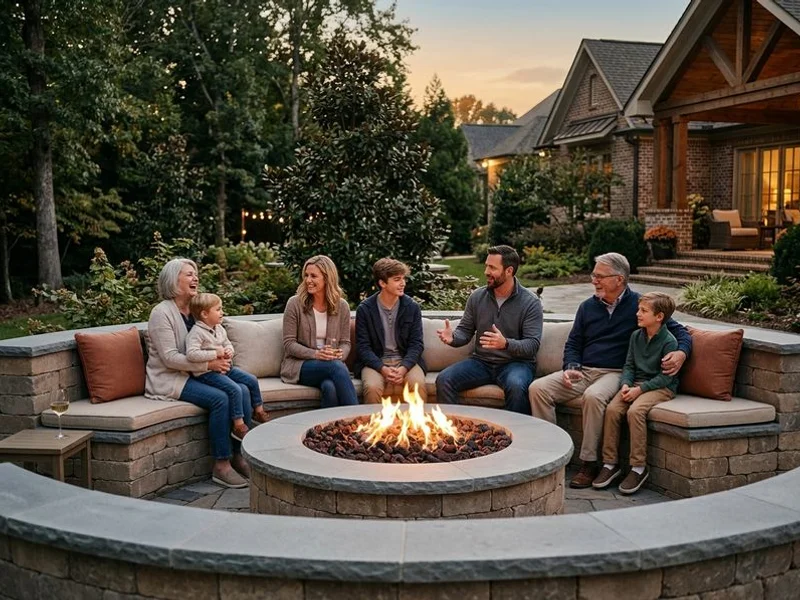
Fire Pits Pricing
Carolinas-specific pricing from vetted contractors. Final quotes vary with site conditions, design complexity, and material selection.
How Your Fire Pits Project Comes Together
Placement
Distance from structures, prevailing wind, and HOA setback rules evaluated.
Fuel & Style
Gas vs wood-burning, round vs square, modular kit vs custom masonry chosen.
Build
Masonry construction, seat-wall integration, gas-line roughing if applicable.
Finish
Lava rock or fire glass, capping, and patio integration.
Vetted Carolinas Fire Pits Specialists
Family-Safe Gas Builds
Instant on/off gas pits with proper safety detail — popular with families.
Seat-Wall Integration
Most premium pits coordinate with a seat wall for an outdoor-room feel.
HOA-Aware Placement
Open-burning ordinance, fire-feature setbacks, and HOA rules all reviewed at design.
Patio Coordination
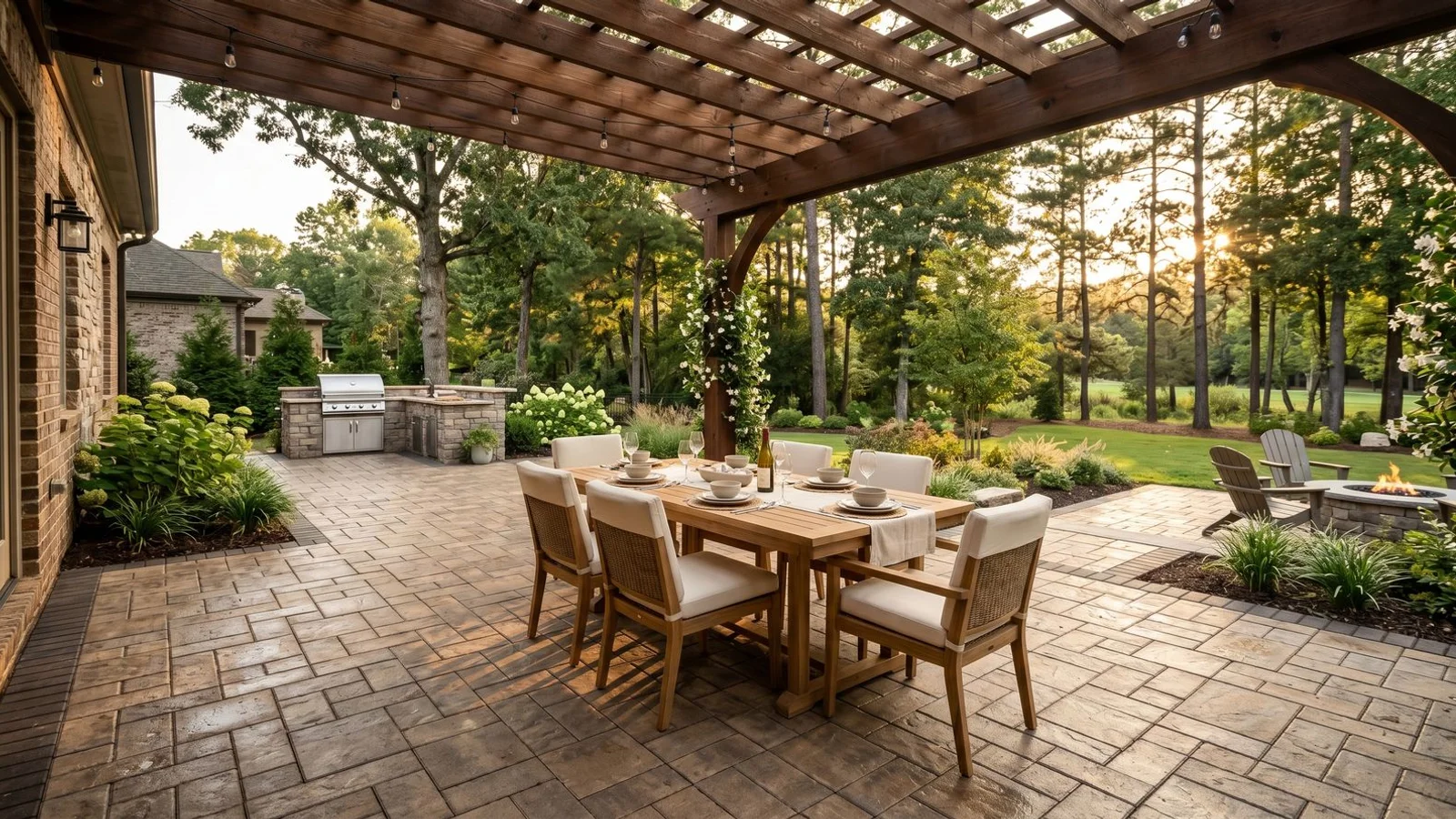
Built-in pits design alongside [patio](/patios/) work for a single-trip build.
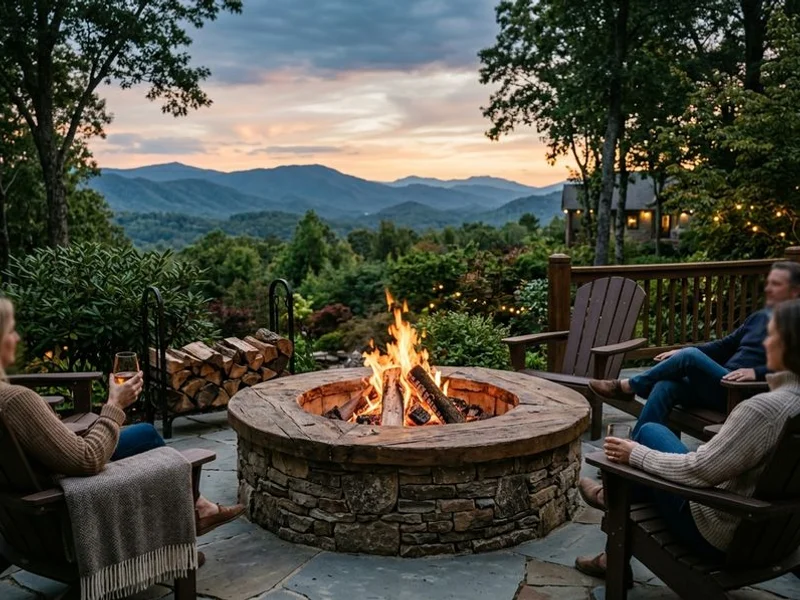
Fire Pits Across the Carolinas
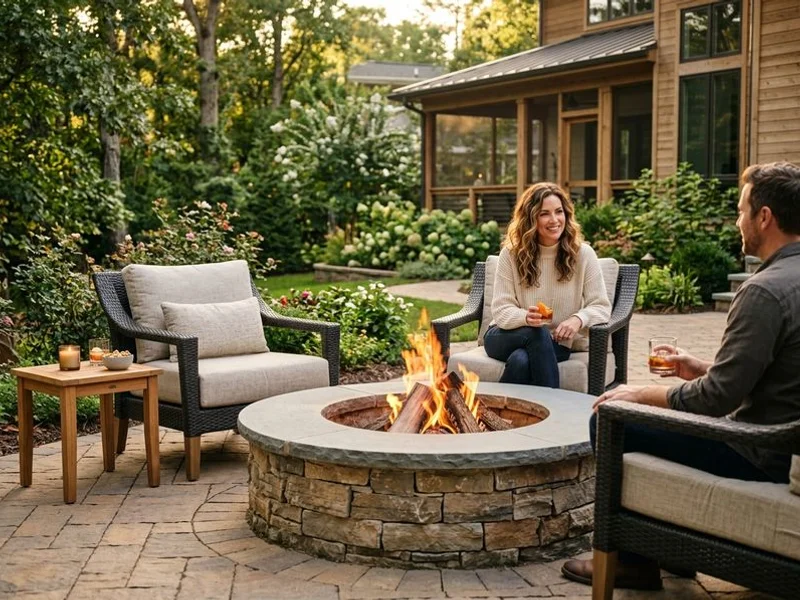
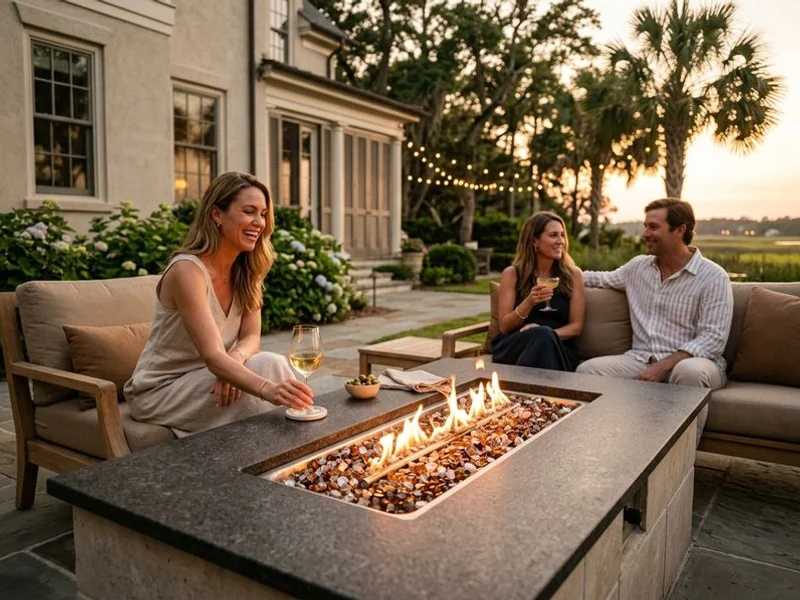
Real projects from our vetted Carolinas network — no stock photography.
Common Fire Pits challenges we help homeowners solve
The setbacks our matching process is specifically built to prevent — and how the right contractor handles each one.
Open-burning ordinances vary by neighborhood
What's allowed in rural Catawba County can be banned outright in a Cary HOA. Contractors who don't check your specific HOA covenants before design risk a forced removal after the build.
How we solve it
Our vetted fire pits network handles this for Carolina homeowners every week.
Gas lines require a licensed sub and a permit
A gas-fed fire pit needs a licensed gas-line contractor and a county permit — work that most budget bids leave out of the initial quote. The add-on shows up after the pit is already built.
How we solve it
Our vetted fire pits network handles this for Carolina homeowners every week.
Placement without wind analysis creates a smoky patio
Fire pits placed without regard to prevailing wind push smoke straight toward the seating area on most Carolina evenings. Good placement evaluation takes five minutes at the site visit — but most contractors skip it.
How we solve it
Our vetted fire pits network handles this for Carolina homeowners every week.
Fire Pits FAQs
Gas or wood — which fire pit should I build?
Gas wins for families (instant on/off, no embers) and Carolinas suburbs where wood-burning is HOA-restricted. Wood wins for ambiance and rural/coastal use. See our gas-vs-wood guide.
How much does a built-in fire pit cost?
Built-in masonry pits run $1,500-$5,000; full custom with seat wall integration $5K-$12K. Add $1,500-$3,500 for gas-line extension if not already at the patio.
Do fire pits need permits?
Permanent gas-line work requires a permit. Wood-burning pits may have HOA approval requirements but typically don't require building permits in NC and SC.
How far from the house should it be?
Most municipal codes require 10 feet from any structure for wood-burning; gas can be closer. HOA covenants sometimes set tighter limits.
Can I roast marshmallows over a gas fire pit?
Yes, with food-safe lava rock or fire glass — though wood-burning purists prefer the smoke flavor.
Often Built Together
Ready for Fire Pits?
Tell us about your project and metro. We'll match you with up to three vetted Carolinas fire pits contractors.
Free • No-obligation quotes • Vetted Carolinas contractors only